

IPEN Statement on UNEA-7
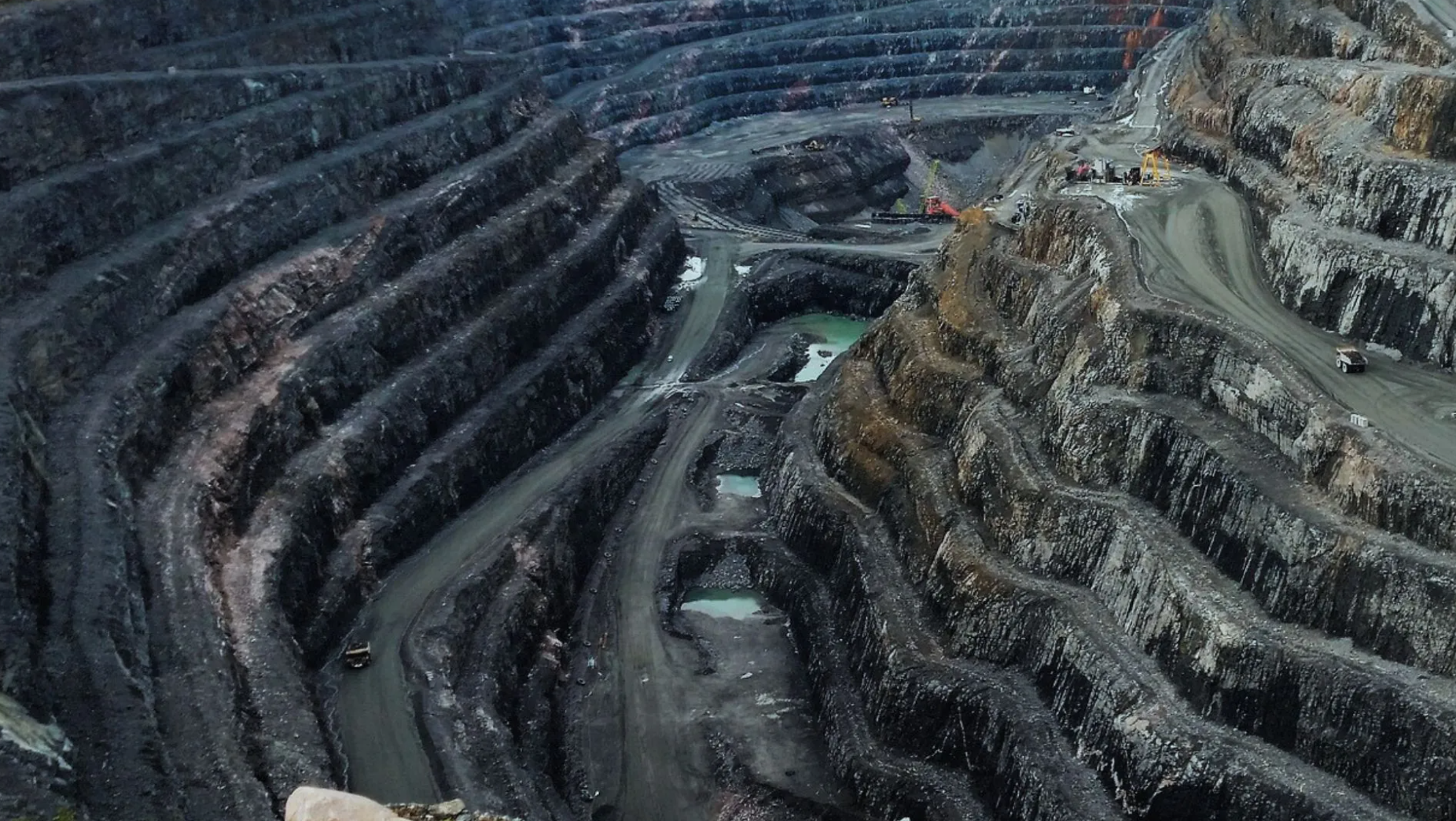
IPEN expressed disappointment today with the outcomes of the UNEA-7 negotiations, particularly around critical minerals and metals mining. The UNEA-7 event ended with a weak resolution that offers no policy actions to address environmental and human health threats posed by the mining sector. The resolution only calls for dialogues on so-called “sustainable” approaches to an industry that has proven to be environmentally devastating and has violated Indigenous Peoples’ rights for decades.
One of the more troubling aspects of the call for dialogue on mining is the suggestion that toxic mining waste or tailings could serve as a vector for sustainable or “circular” products. This suggestion smacks of undue industry influence, similar to the plastics industry’s position promoting the recycling of toxic plastics. In both instances, toxicity issues in the “circular” products are ignored, with highly toxic waste hazards left for low- and middle-income countries to manage while wealthier countries walk away with valuable minerals for electronics and the energy transition.
“In Kenya, we saw the good, bad, and ugly. The good is having a new resolution adopted that highlights the critical minerals and metal mining as a global issue, the bad is that UNEA decision neglects the reality of the toxic life cycle involved in bringing critical minerals to the market,” said said Yuyun Ismawati, IPEN Co-chair. “The worst, the ugly, is where we see massive pools of toxic mining waste overflowing across the planet from Indonesia to China, Brazil, and Zambia. UNEA wants to label these toxic pools as a safe circular product, which is simply naïve.”
“At UNEA 7 meeting in Kenya IPEN has advocated for strong global protections of human health and the environment from toxic chemicals polluting the air, water and soil. Unfortunately, the resolution for sound management of chemicals and waste is very disappointing. Caution should be exercised when considering the circularity issue. The language is weak to advance the implementation of multilateral environmental agreements and instruments, including the newly established Intergovernmental Science-Policy Panel on Chemicals Waste and Pollution,” said Gohar Khojayan, IPEN Co-Chair, and added: “The funding gap to address pollution from chemicals and waste as part of triple planetary crisis is enormous. This is an indication of a lack of political will.”
 English
  简体中文
简体中文  Français
  Bahasa Indonesia
  Русский
  Español
  العربية
  Shqip
Shqip  Հայերեն
  Azərbaycan dili
  Беларуская мова
  Български
  Cantonese
  Hrvatski
  Čeština
  ქართული
  Deutsch
  Ελληνικά
  हिन्दी
  Қазақ тілі
  한국어
한국어  Кыргызча
  Bahasa Melayu
  नेपाली
  Português do Brasil
  Kiswahili
  Svenska
  Tagalog
  தமிழ்
தமிழ்  ไทย
ไทย  Українська
  Tiếng Việt