





Complexe industriel de raffinage avec de nombreuses cheminées émettant de la fumée sous un ciel bleu clair, avec des bâtiments bas et des équipements répartis au premier plan.

Exportations et transports

Toxic Threats Throughout the Plastics Life Cycle

Exportations et transports

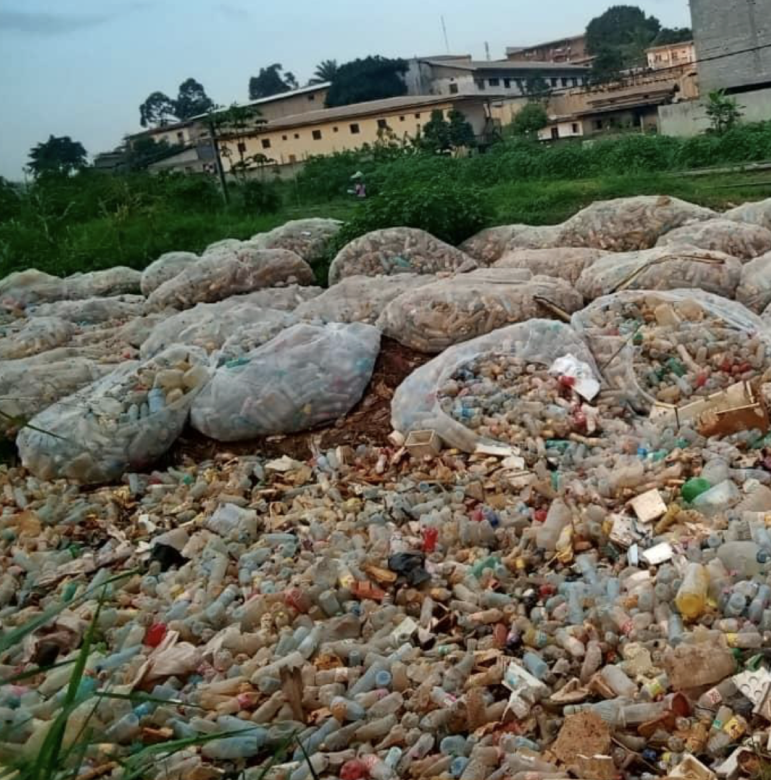
Spills are a significant source of potential exposure to chemicals in plastics. Plastic waste exports also unequally burden people in low- and middle-income countries with plastic waste from wealthier nations. A 2023 IPEN report found significant amounts of plastic waste exports are unaccounted for, suggesting the problem is even worse than most research identifies.

Microplastics

Microplastics have also been identified as a source of global dispersal of toxic chemicals in plastics. Microplastics are plastics that are smaller than 5 mm (about 0.2 in). They can either be produced intentionally (as plastic pellets or “microbeads”) or fragment from larger plastics. Microplastics have been found in many commercial fish species around the world. Studies have linked exposure to microplastics in aquatic organisms to decreased food consumption, weight loss and energy depletion, decreased growth rate, and decreased fertility.

Studies have found microplastics in beer, wine, energy drinks, tea, milk, honey, sugar, and salt. One study found that infants fed milk from sterilized plastic bottles could ingest as many as 3 million microplastic particles per day. We can also breathe in microplastics. Studies have detected microplastics in human stool, blood, placenta, and lungs. Clothing may be a source of microplastics in air: one study found that airborne microplastics may be released when we wear synthetic (rayon, nylon or other plastic) clothing.

Learn more about plastic waste disposal and recycling.

Publications

IPEN (Réseau international pour l'élimination des polluants)
Résumé de la politique de confidentialité

Ce site utilise des cookies afin que nous puissions vous fournir la meilleure expérience utilisateur possible. Les informations sur les cookies sont stockées dans votre navigateur et remplissent des fonctions telles que vous reconnaître lorsque vous revenez sur notre site Web et aider notre équipe à comprendre les sections du site que vous trouvez les plus intéressantes et utiles.