

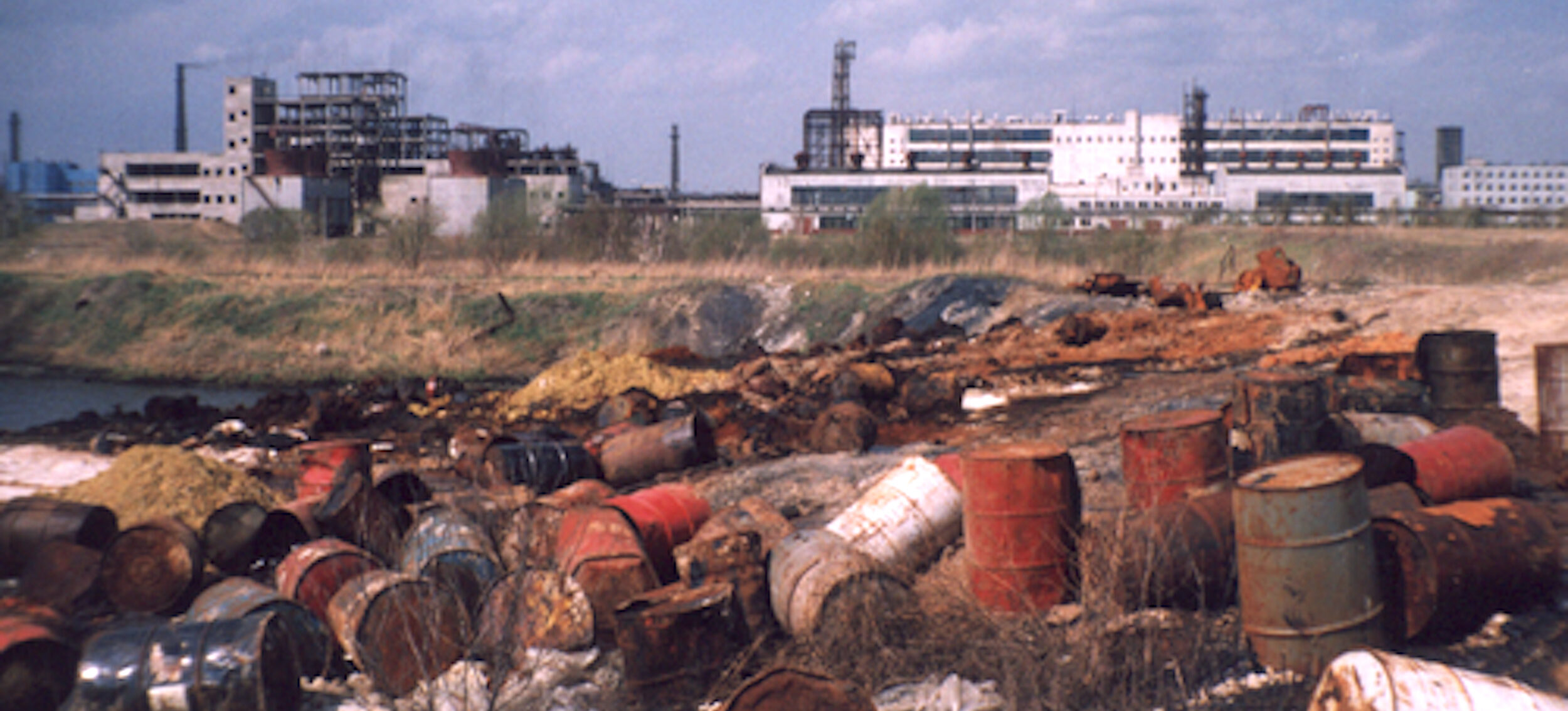

Several rusted and damaged barrels are scattered on the ground near a body of water, with an industrial facility and some vegetation visible in the background under a partly cloudy sky.

Global Action-Other Forums

UNEA, Science-to-Policy Panel, and Biodiversity

IPEN members participate in the UN Environment Assembly (UNEA), Science-Policy Panel meetings, the UN Ocean Conference, and other policy bodies, providing global data and local knowledge to enhance the deliberations and address global threats from hazardous chemicals.

The UN Environment Assembly is the governing body for the UN Environment Programme (UNEP) and sets the global environmental agenda, creating policy guidance and developing international environmental law. IPEN and its members contribute to the Assembly with original science and policy solutions to address concerns around toxic chemicals and waste.

Science-Policy Panel

In 2022, at UNEA-5, the Assembly adopted a resolution to establish a new Science-Policy Panel to support global action on chemicals, waste, and pollution. IPEN advised creating a panel based on sound, independent science; the precautionary principle; the industry duty to disclose information; and citizens’ right to know. 

In June 2025, the panel was established as the Intergovernmental Science-Policy Panel on Chemicals, Waste and Pollution (ISP-CWP). The first session of its Plenary (its decision-making body) was held in February 2026, where IPEN distributed Quick Views calling for an independent, transparent body and followed the meeting with a press statement noting the lack of progress on key issues. IPEN continues to advocate for independent science in promoting meaningful protections from hazardous chemicals. 

Biodiversity and Ocean Pollutants

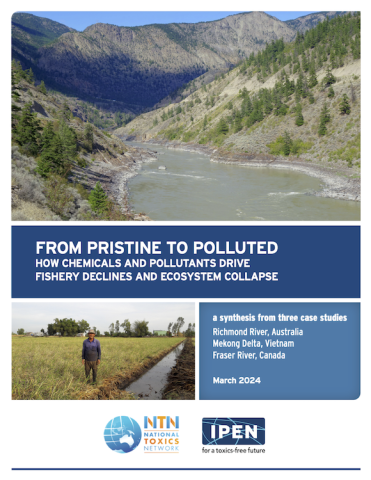
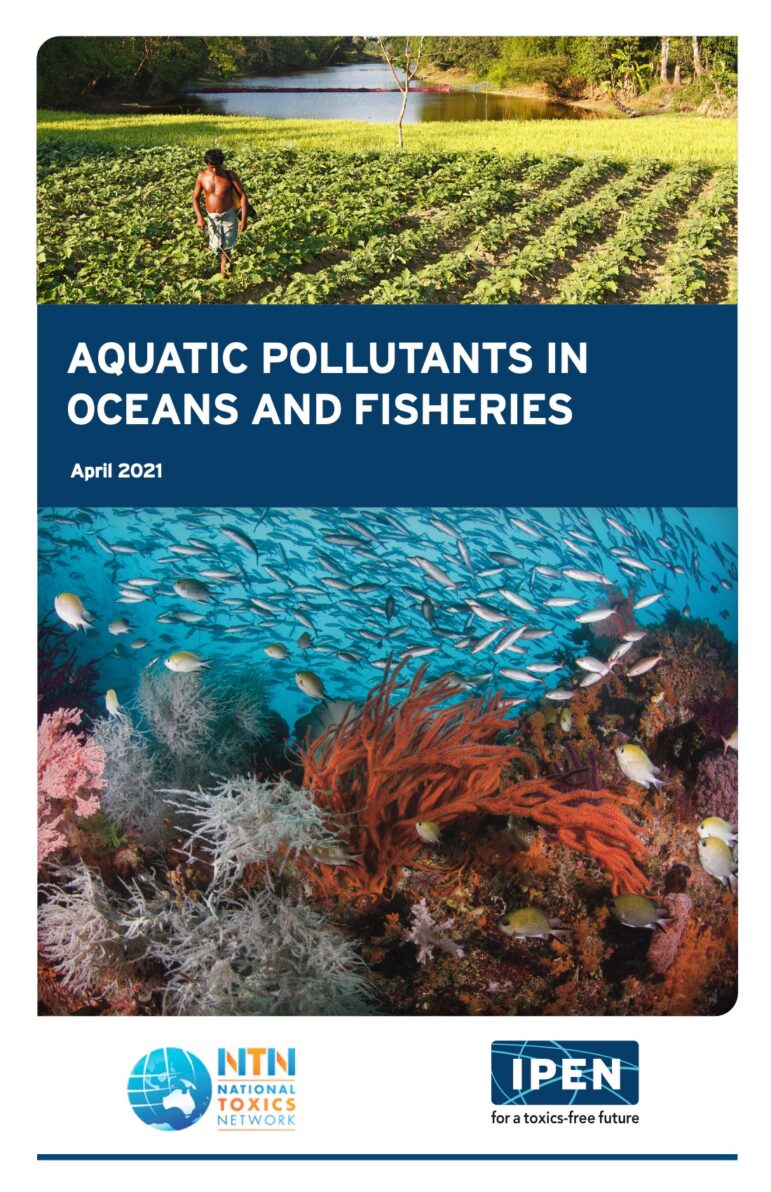
Chemical and plastics pollution poses threats to the healthy environments all living organisms need. IPEN’s work aims to end the planetary biodiversity crisis, including through work to address toxic pollution of the oceans and fisheries.

Publications

IPEN (Réseau international pour l'élimination des polluants)
Résumé de la politique de confidentialité

Ce site utilise des cookies afin que nous puissions vous fournir la meilleure expérience utilisateur possible. Les informations sur les cookies sont stockées dans votre navigateur et remplissent des fonctions telles que vous reconnaître lorsque vous revenez sur notre site Web et aider notre équipe à comprendre les sections du site que vous trouvez les plus intéressantes et utiles.