

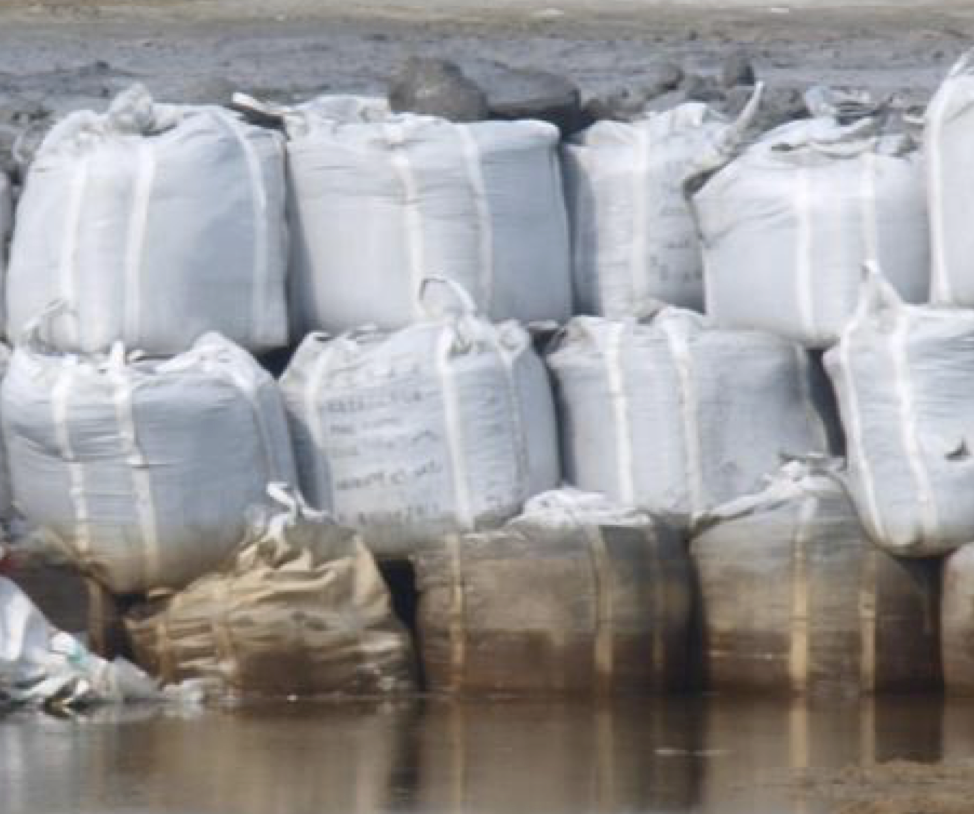
The widely used current limit value for POPs in waste (Low POPs Content Levels) leaves vast amounts of industrial wastes containing persistent organic pollutats (POPs) like dioxins out of control. With this weak limit level, there is no requirement to dtreat these wastes as hazardous POPs waste – these toxic wastes can even be used in construction material. This is how dioxins in wastes can spread and contaminate the environment and the food chain and harm human health.
Industry perpetrates a myth that POPs waste can only be treated with high-temperature incineration, but incineration actually creates toxic dioxin emissions and mountains of toxic ash laced with more POPs.
In fact, some countries are already implementing non-combustion technologies for POPs waste destruction. These advanced, clean technologies are able to destroy POPs waste without dioxin emissions and without generating toxic ash residues.
Learn more about LPCL’s and non-combustion technologies in the briefs and reports below. Also, see IPEN’s Egg Studies for more on POPs and incineration.

 English
  简体中文
简体中文  Français
  Bahasa Indonesia
  Русский
  Español
  العربية
  Shqip
Shqip  Հայերեն
  Azərbaycan dili
  Беларуская мова
  Български
  Cantonese
  Hrvatski
  Čeština
  ქართული
  Deutsch
  Ελληνικά
  हिन्दी
  Қазақ тілі
  한국어
한국어  Кыргызча
  Bahasa Melayu
  नेपाली
  Português do Brasil
  Kiswahili
  Svenska
  Tagalog
  தமிழ்
தமிழ்  ไทย
ไทย  Українська
  Tiếng Việt