
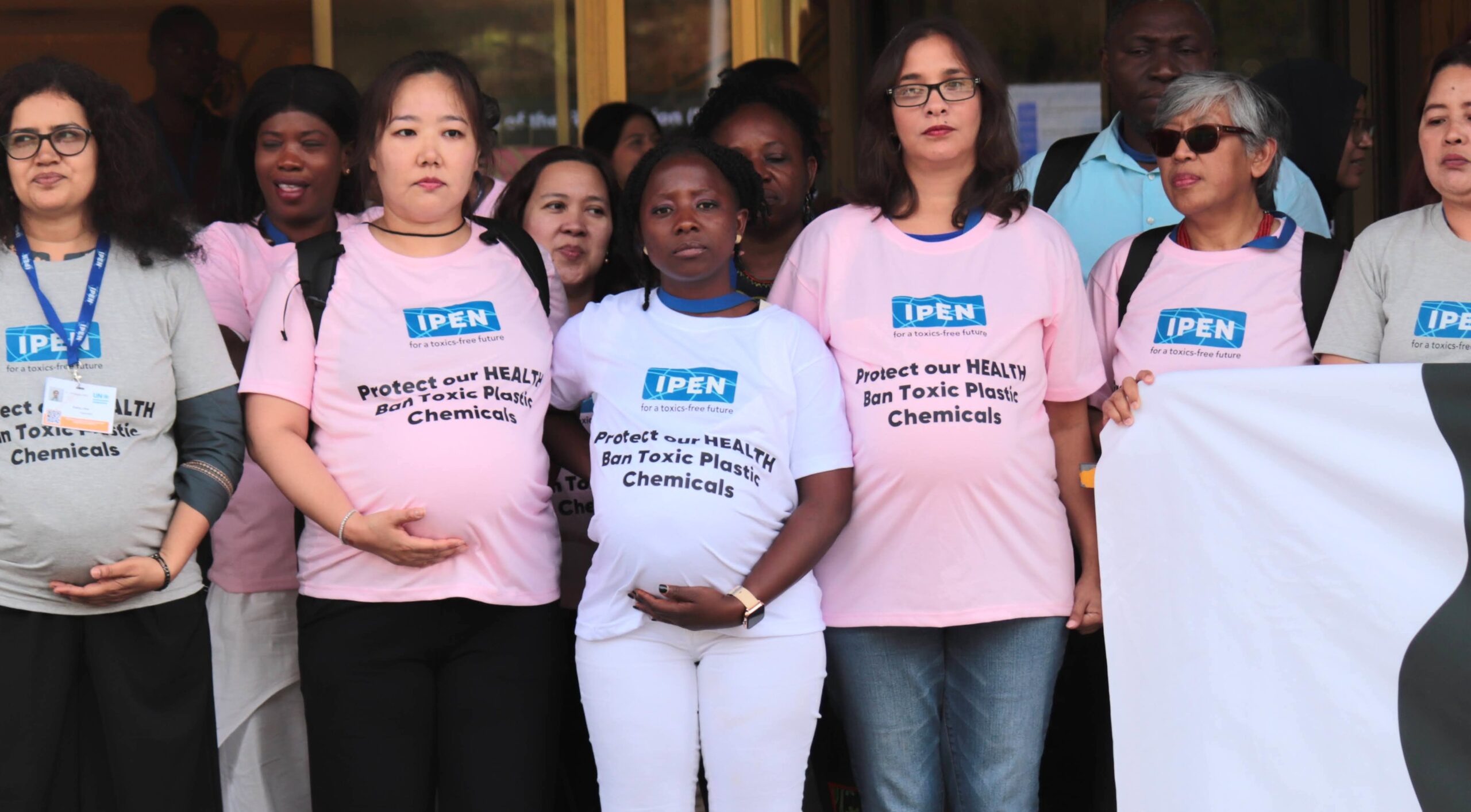
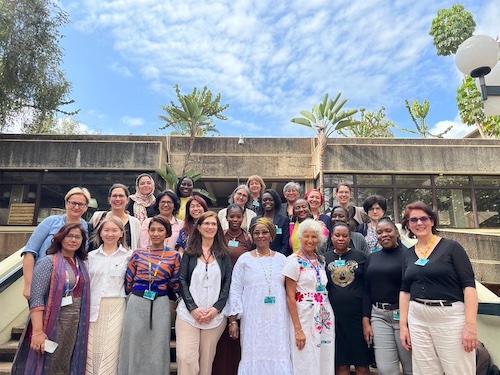
A group of people, some appearing to be pregnant, stand together wearing shirts that read Protect our health, ban toxic plastics, chemicals. They are gathered in front of a building, participating in a demonstration.

Women’s Caucus

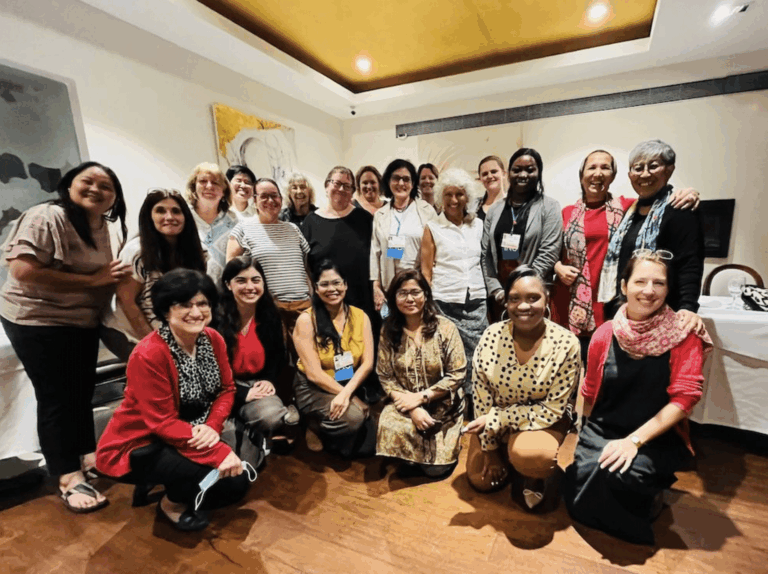
IPEN’s Women’s Caucus was established to provide a forum for engagement around women’s health and chemical policy. By providing venues where women can share experiences, strategies, and skills, IPEN helps catalyze action by women in policy making.

Contact IPEN’s Women’s Caucus for newsletters, meeting updates, and other ways to get involved

연락처: women@ipen.org

Women and Chemicals

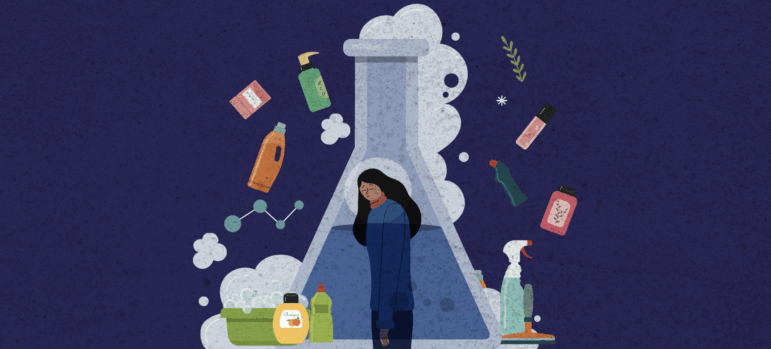
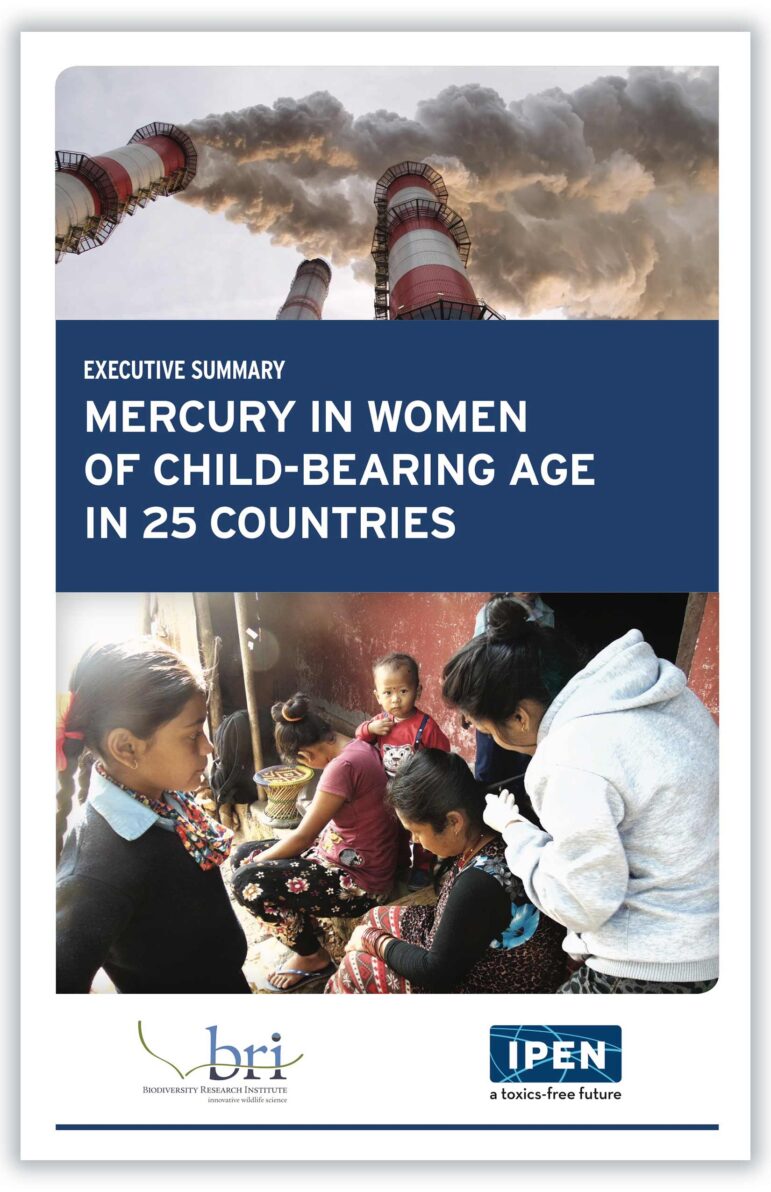
IPEN addresses issues of women’s health because women are differently susceptible to chemical exposures and health outcomes due to biology, different occupational exposures, and cultural patterns that lead to differential exposures (such as chemicals in personal care and household products). Prevention of health harms from chemicals and pollution is vital for women’s equality. See the publications below for IPEN’s resources and materials on women and chemicals.

Stories

Find stories from women working to protect children’s and women’s health in their countries and globally.

Latest Posts

Many POs say that they are in a better position to promote gender equality as a result of the engagement with IPEN…[they] pointed to IPEN’s training, guidance materials, and inclusive project design as key factors that helped them to understand and apply a gender lens in areas such as toxic chemical exposure, health, and environmental justice.

Independent evaluation of IPEN’s work, 2025

분기별 뉴스레터

Newsletter

Find the latest reports from the Women’s Caucus meetings,  webinars, and read the latest updates from Women’s Caucus members.

Origins and Ongoing Activities

In 2017, IPEN Co-Chairs Olga Speranskaya and Pamela Miller prepared a brief paper to outline the issues around women and chemicals and to launch the Women’s Caucus. The paper, with review and comments from IPEN Participating Organizations and women gathered at IPEN’s global meeting in 2016, reflects global trends and the accumulation of evidence about what should be done to close the existing gaps in women’s equality and chemical policy.

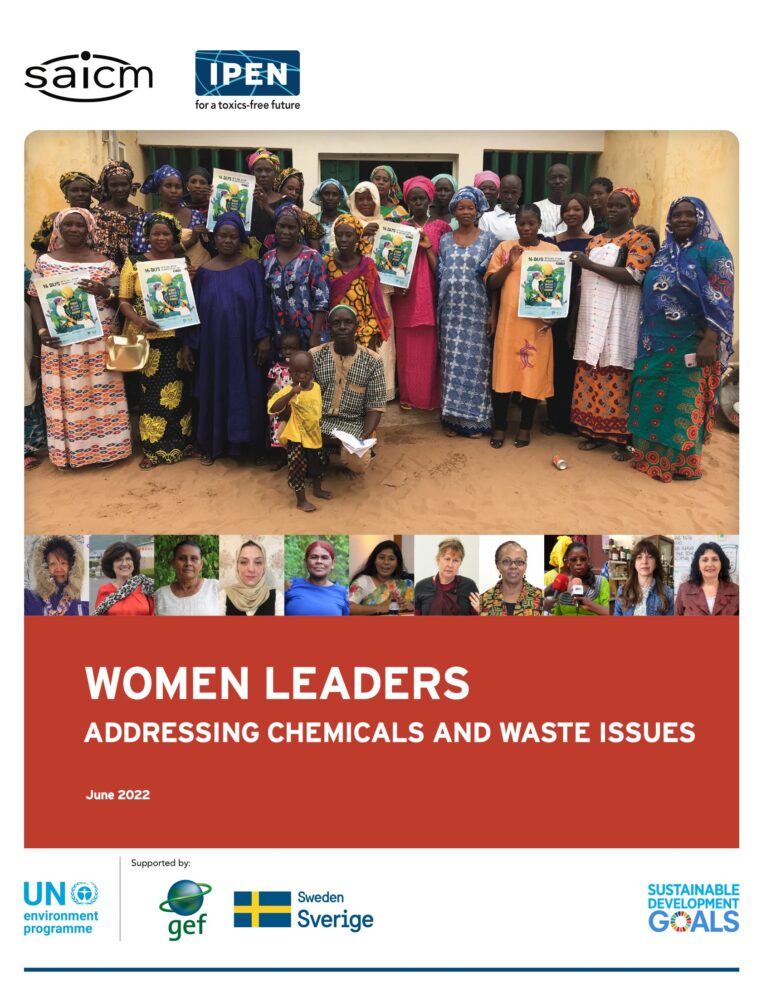
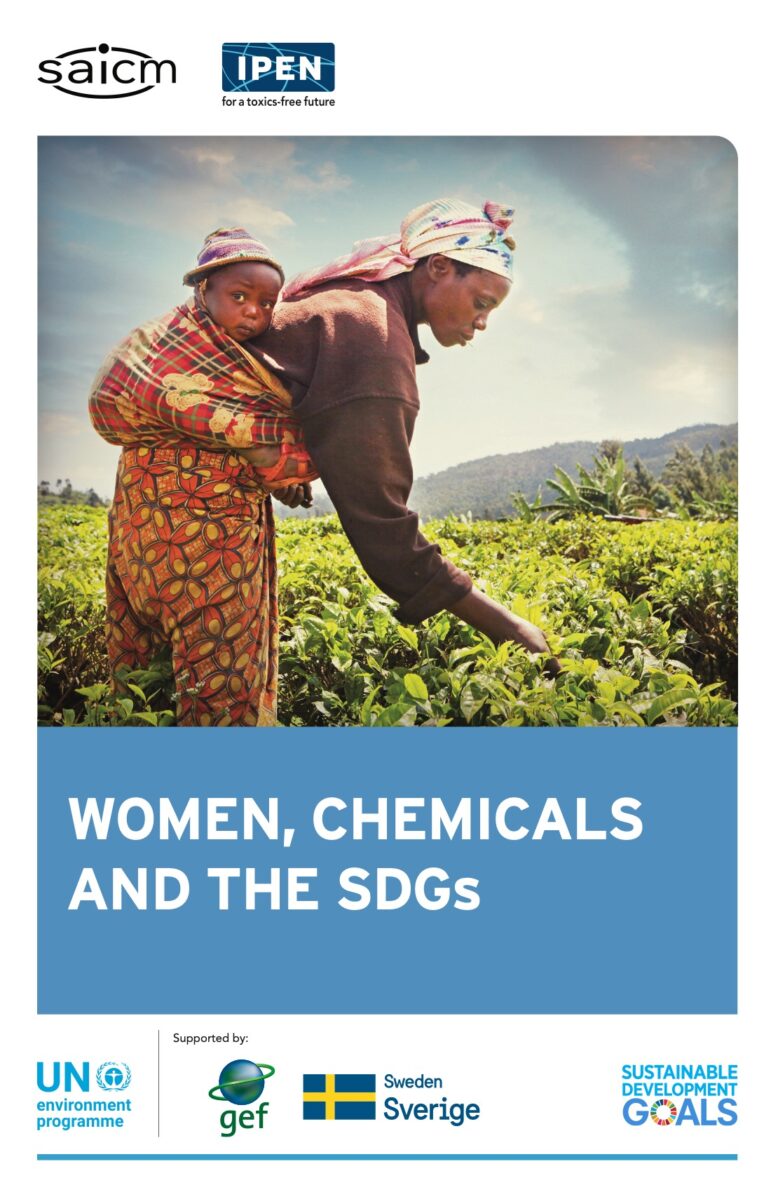
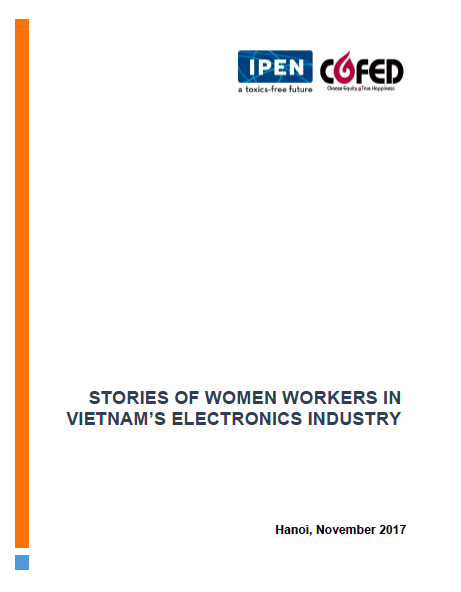
Beginning in 2017, IPEN women leaders partnered with the UN Environment Programme (UNEP) for a multi-year project to highlight issues around women and chemicals. The collaboration resulted in two reports: “Women Leaders: Addressing Chemicals and Waste Issues” and “여성과 화학 물질과 지속가능발전목표.”

Today, the Women’s Caucus and many IPEN member groups continue to explore concerns around women and chemical policy and to advocate for more health-protective policies for women’s health. 

추천 동영상

IPEN Women and UNEP announce partnership on women and chemicals

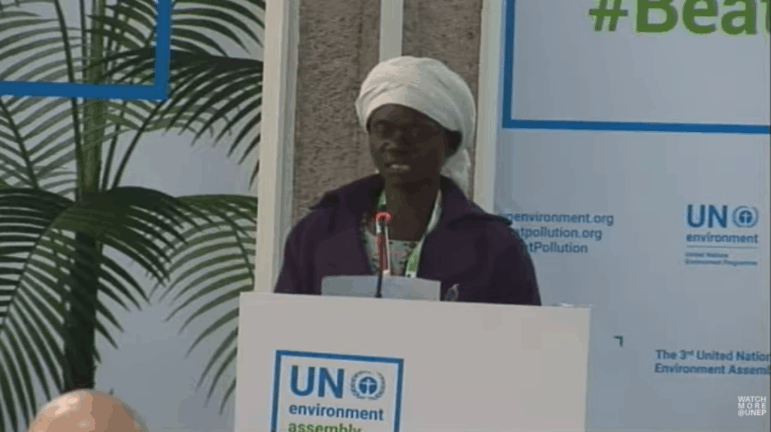
See our video from the UNEA-3 press conference in 2017 announcing the UNEP-IPEN partnership on addressing chemical threats to women’s health.

Online Learning

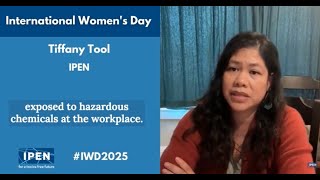
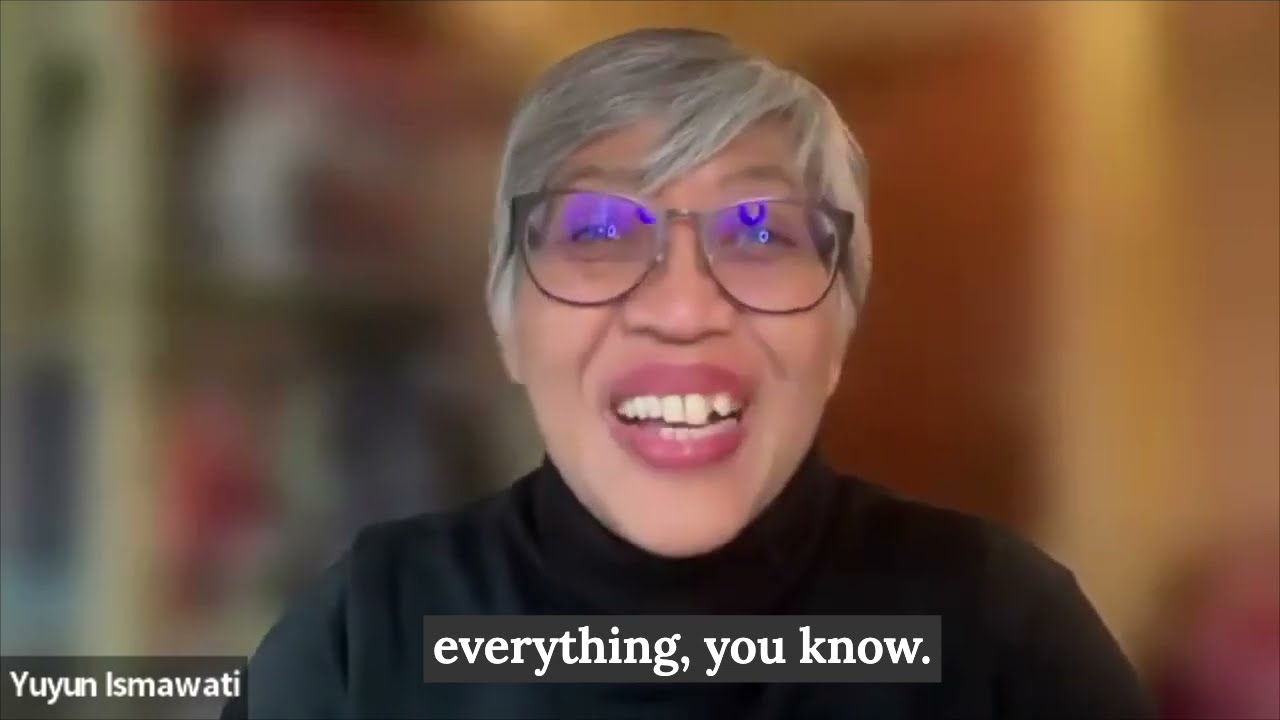
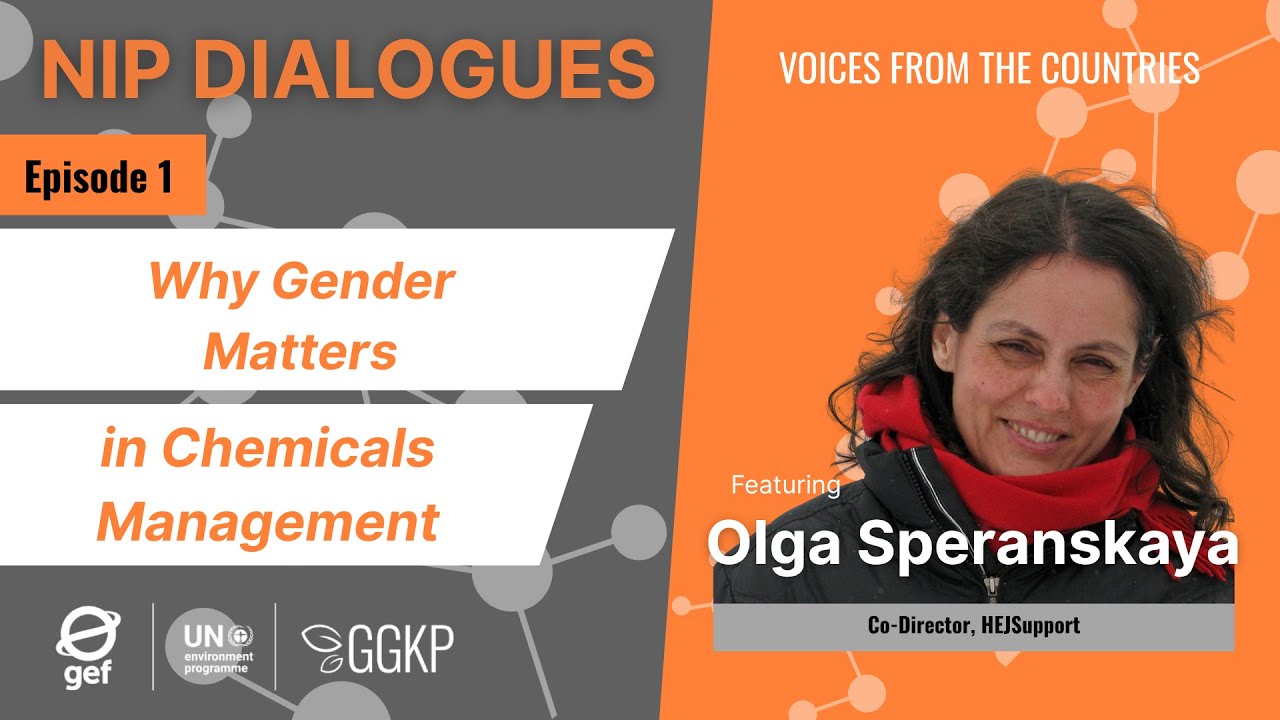
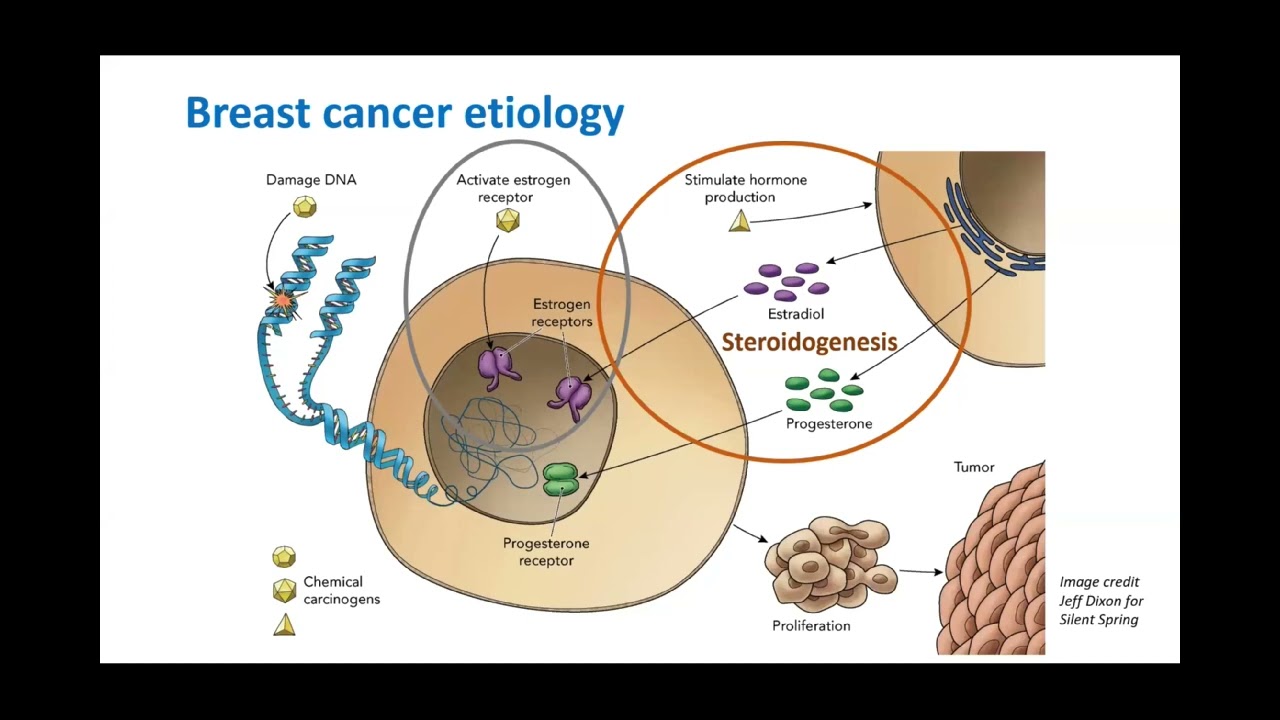
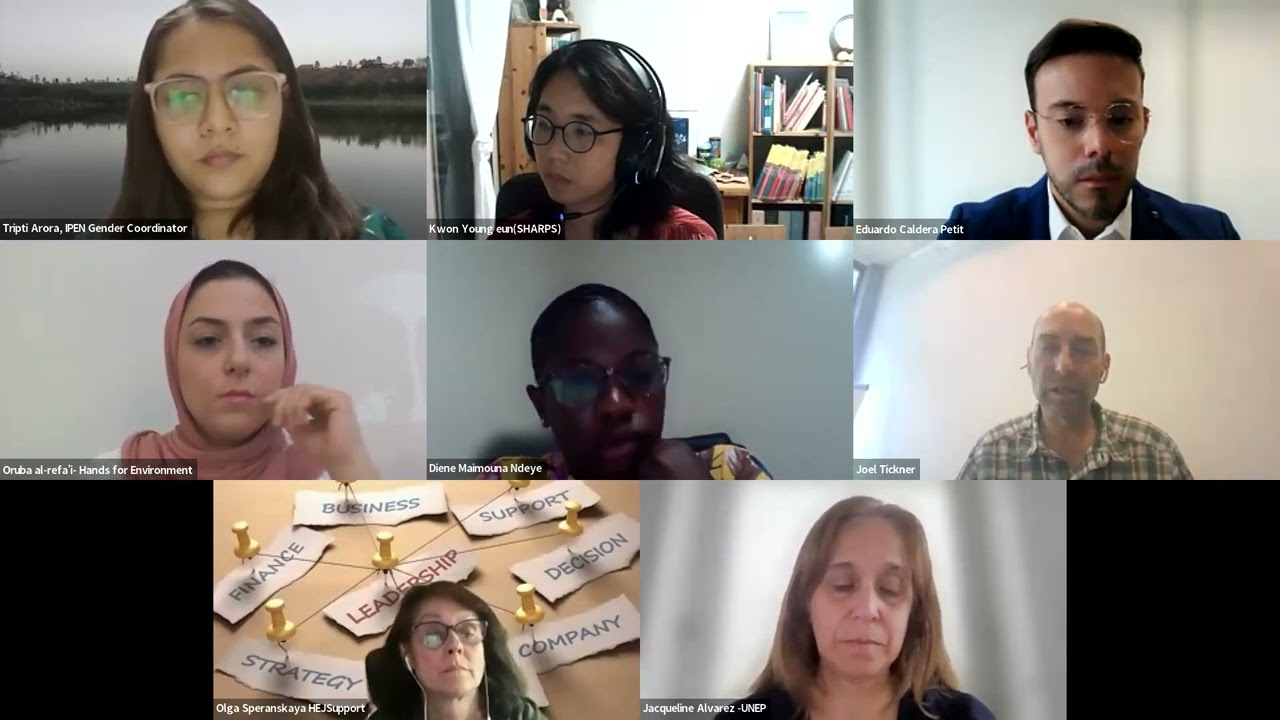
This series of videos provide in-depth education on an array of topics around issues of women’s health and include actions you can take to help end threats to women and families from hazardous chemicals. The videos were created by IPEN women leaders from around the world and are presented in multiple languages. Also, see the online course on Gender, Equality and Chemicals created by IPEN PO HEJSupport.

Resource TitleLead / Organization
What’s Gender Got to Do with Chemicals (English)Johanna Hausmann, Women Engage for a Common Future (WECF)
Women, Chemicals & Cosmetics (Arabic)Oruba al-Refai, Hands for Environment and Sustainable Development Association, Jordan
Educating Parents (Sinhala)Chalani Rubesinghe, Center for Environmental Justice, Sri Lanka
Educating Parents (English) 
Parents & HHPs (French with English subtitles)Vivianne Atah, Research and Education Centre for Development (CREPD), Cameroon
Pesticides & Health (Bahasa with English subtitles)Rossana Dewi, Gita Pertiwi, Indonesia
Women & EDCs (Russian with English subtitles)Dr. Oleg Sergeyev, Belozersky Research Institute of Physico-Chemical Biology & Chapaevsk Medical Association
Pesticides & Precaution (Spanish)Members of Taller Ecologista, Argentina
Women, Science & Health (Swahili with English subtitles)Dr. Vera Ngowi, Muhimbili University of Health and Allied Sciences & TAPOHE, Tanzania
Fostering Women’s Leadership (Serbian)Members of Environmental Ambassadors for Sustainable Development, Serbia

출판물

국제 유해물질 제거 네트워크
개인정보 처리방침

이 웹사이트는 최고의 사용자 경험을 제공하기 위해 쿠키를 사용합니다. 쿠키 정보는 브라우저에 저장되며, 웹사이트 재방문 시 사용자를 인식하고 웹사이트의 어떤 섹션이 가장 흥미롭고 유용한지 이해하는 데 도움이 되는 기능을 수행합니다.