
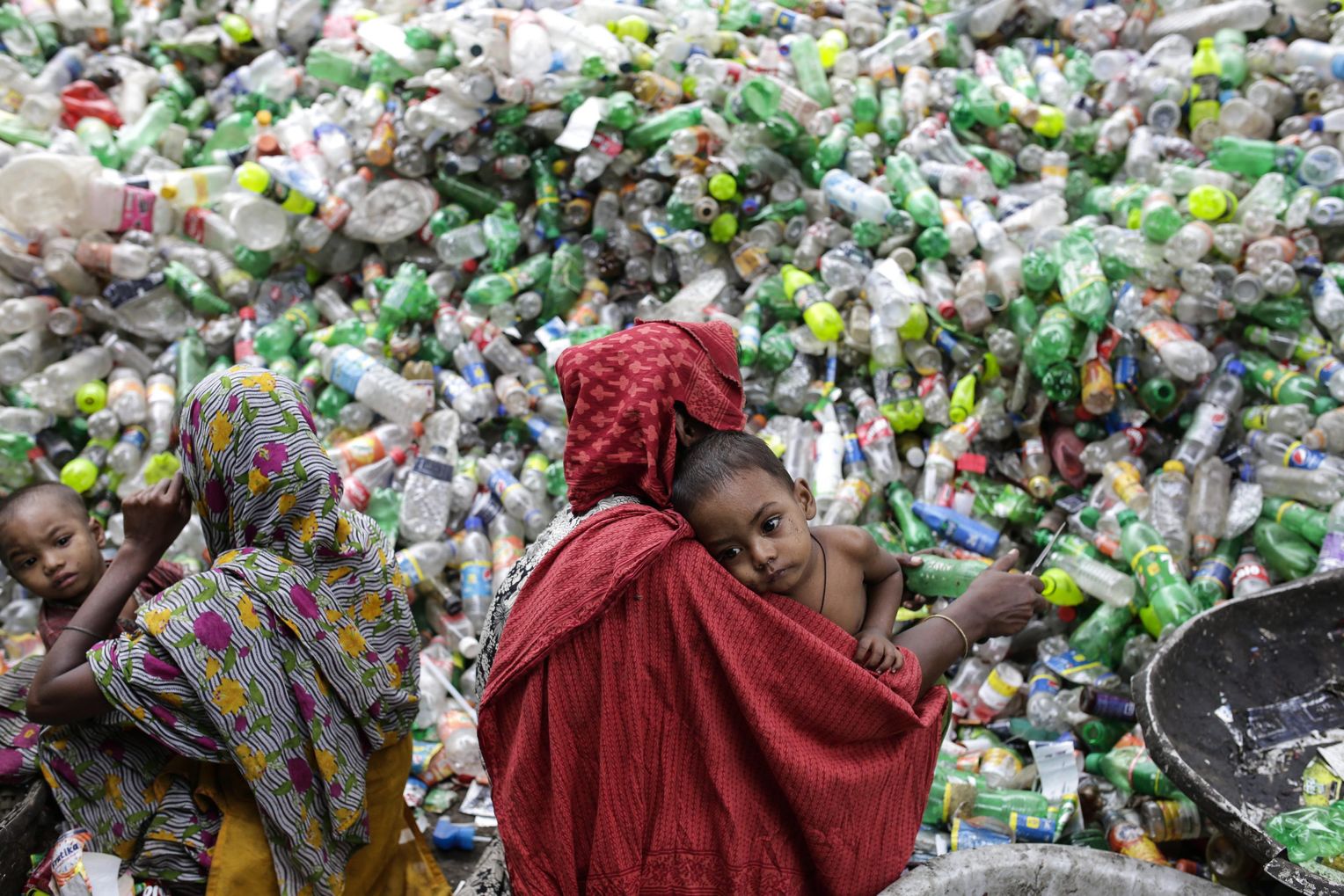
"A legally binding instrument on plastic pollution..."
In March 2022, the United Nations Environment Assembly (UNEA) approved a broad mandate to start talks on an international treaty to address the growing threats from plastic pollution.
The Plastics Treaty will be a key legally binding agreement moving the world toward a toxics-free future.
Plastics Treaty Resources
The Plastics Treaty negotiations are expected to continue through 2026, with new sessions of the Intergovernmental Negotiating Committee (INC).
For each negotiating session, IPEN develops policy documents on the meeting agenda and emerging issues, as well as briefing papers, reports, and other materials.
IPEN's Global Actions to End Toxic Plastics
Health and Environment
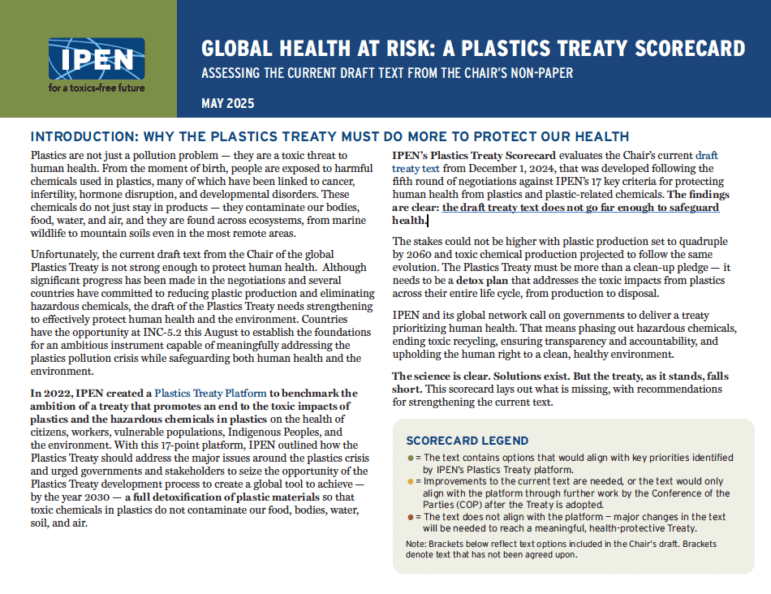
The objective of the Plastics Treaty should be the protection of human health and the environment based on the precautionary principle., which states that where there is a threat of significant harm to health or the environment, protective measures should be taken even without full scientific certainty of the risks.
The impacts of plastics on our health and environmental rights are well documented. Until recently, plastic pollution has been widely seen as merely a waste problem, resulting in “solutions” focused on waste management and consumer behavior. Now the understanding is growing that overproduction of plastic means more pollution, and more toxic chemicals threatening our health.
Thus, a Plastics Treaty must address ending exposures to toxic chemicals from plastics, to protect human health. Such a Treaty is necessary because plastics cross borders in many uncontrolled ways throughout their lifecycle.
We need real solutions to the global plastics crisis because the toxic legacy of plastics will not only affect those living today but future generations to come.
Production, Not Pollution
Plastic has long been thought of as a pollution problem – but to truly address the plastics crisis, we must consider its root cause: the overproduction of plastics and the toxic chemicals used and produced in making plastics. By shifting the focus to reducing production and substituting safer materials, chemical health threats from all stages of the plastics life cycle would be reduced.
Addressing the Plastföroreningar Crisis
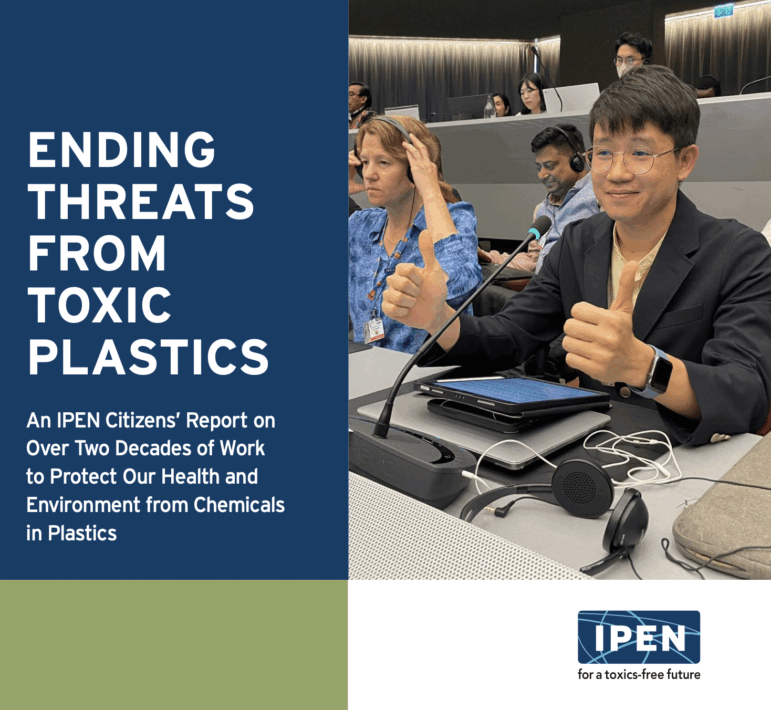
In March 2022, in recognition of the plastics crisis, 175 countries at the UN Environment Assembly agreed to begin negotiations toward a global Plastics Treaty. IPEN contributed to the UNEA discussions and remains deeply engaged in the Plastics Treaty process, supporting participation from our global network members to ensure that voices are heard from countries that experience the greatest health and environmental threats from chemicals in plastics.
IPEN calls for a Plastics Treaty that aims to eliminate the toxic impacts of plastics throughout their life cycle.
Plastics Treaty Principles
An understanding of the following three principles will be foundational for the Plastics Treaty:
Understanding plastics as carbon and chemicals
Addressing the harmful health effects from chemicals in plastics
Toxic chemicals make plastics incompatible with a circular economy
Open Participation
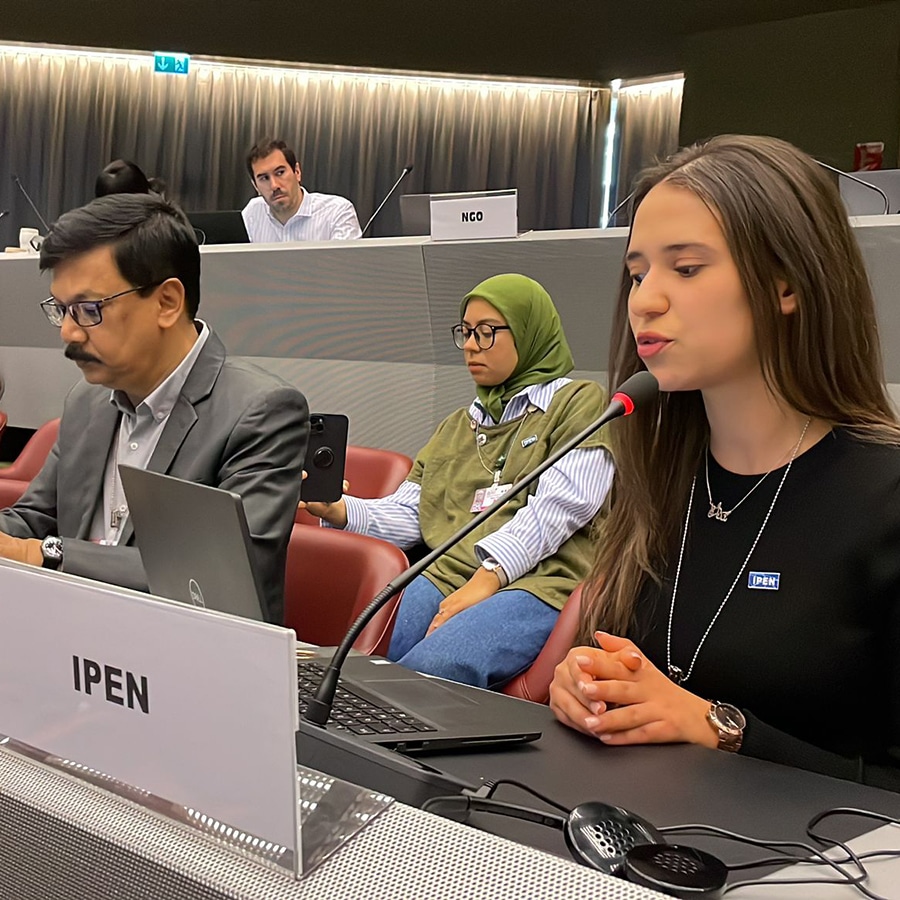
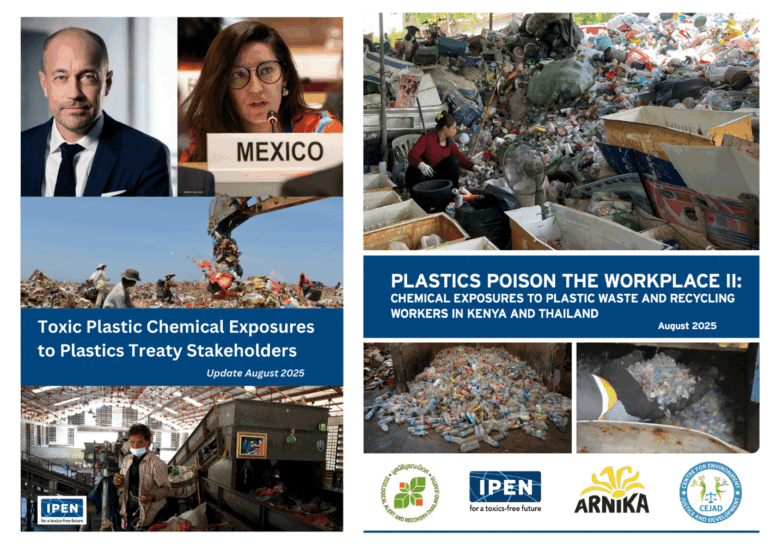
Because the chemical threats from plastics fall unequally on low- and middle-income countries, the Plastics Treaty process must guarantee and promote wide, inclusive, and transparent public participation, including ensuring financial support for equal participation. The Treaty must tackle the problem of plastic overproduction at its source, and it must include the expertise of those most harmed by and familiar with those sources.
Other international negotiation processes and agreements, such as the Aarhus Convention and the Escazu Agreement, have set significant progress for defining and modeling public participation and environmental democracy.
Those on the frontlines of the worst environmental and human rights impacts from plastics need to be in the room and at the table, as active participants throughout the negotiation process. Their unique perspectives, expertise, local knowledge, innovations, and insights must be heard and accounted for during this historic treaty for our health and the planet.
A Fossil Fuels-Free, Toxics-Free Future
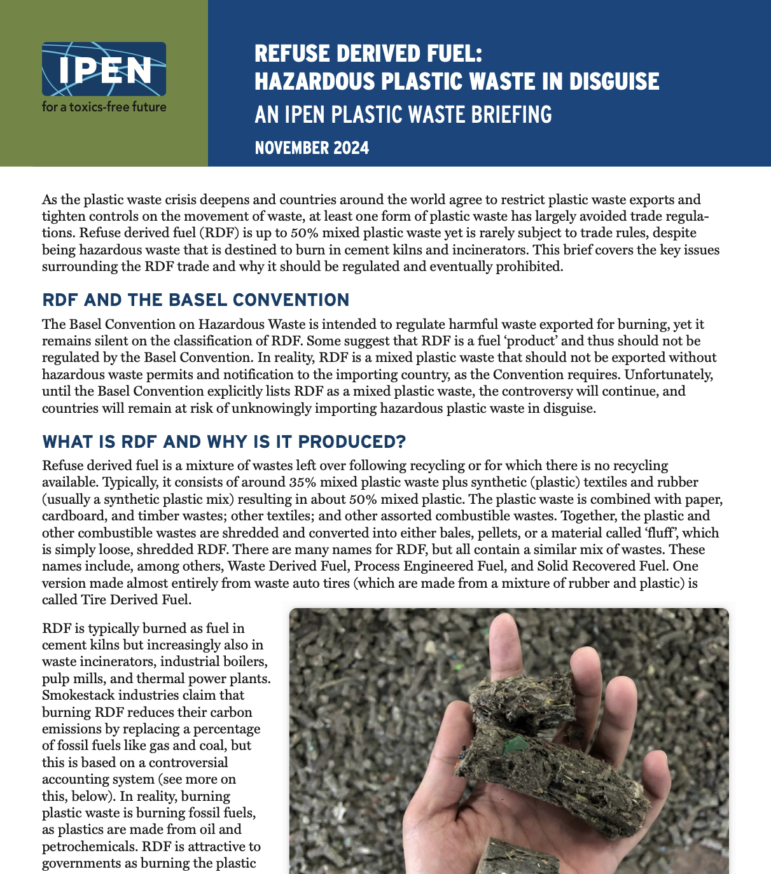
IPEN envisions a future without toxic plastics and the climate and health impacts plastics and plastic chemicals create. Working with a small group of experts, IPEN is fostering conversations and influencing the narrative to promote a transition in the global chemical industry away from petrochemical based products and toward safer materials. IPEN also works to demonstrate threats from plastic waste fuels (called refuse derived fuel or RDF), exposing the trade in RDF as an industry scheme to hide plastic waste exports and calling for global and national policies to reject RDF.
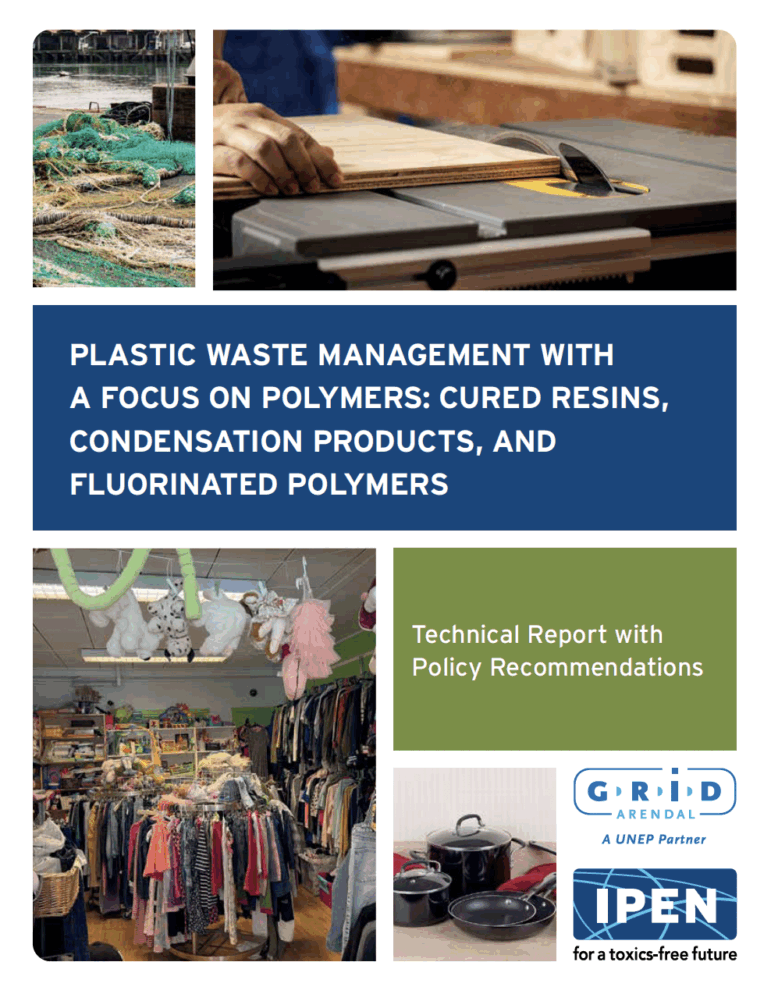
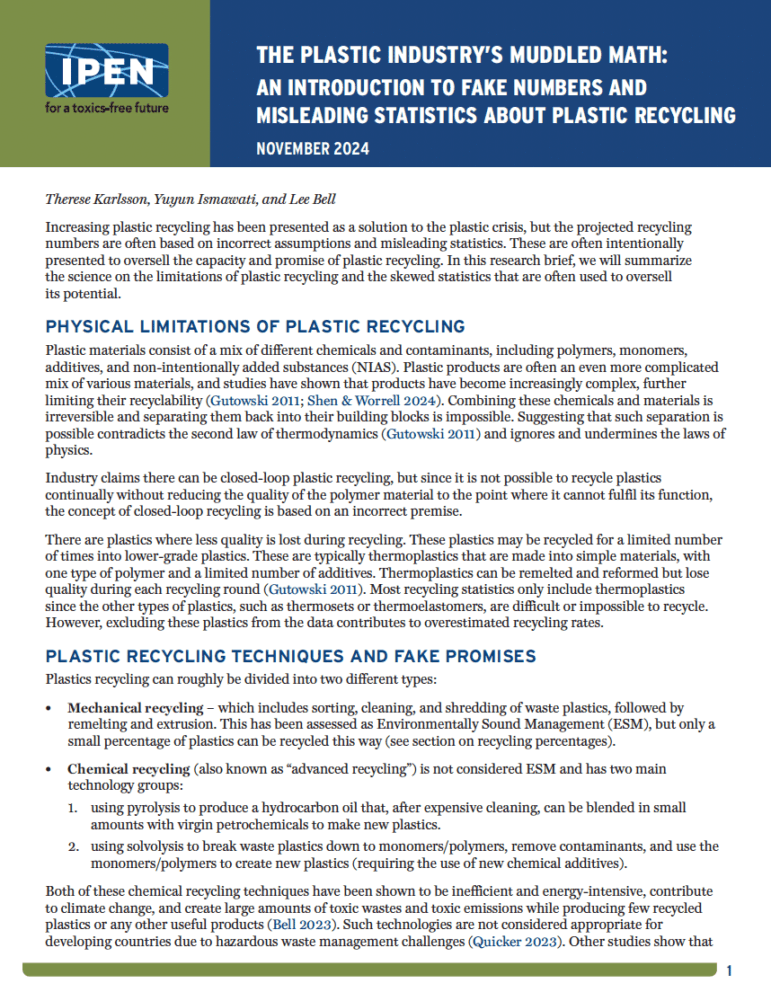
Plastic Waste, Waste Exports, and Recycling
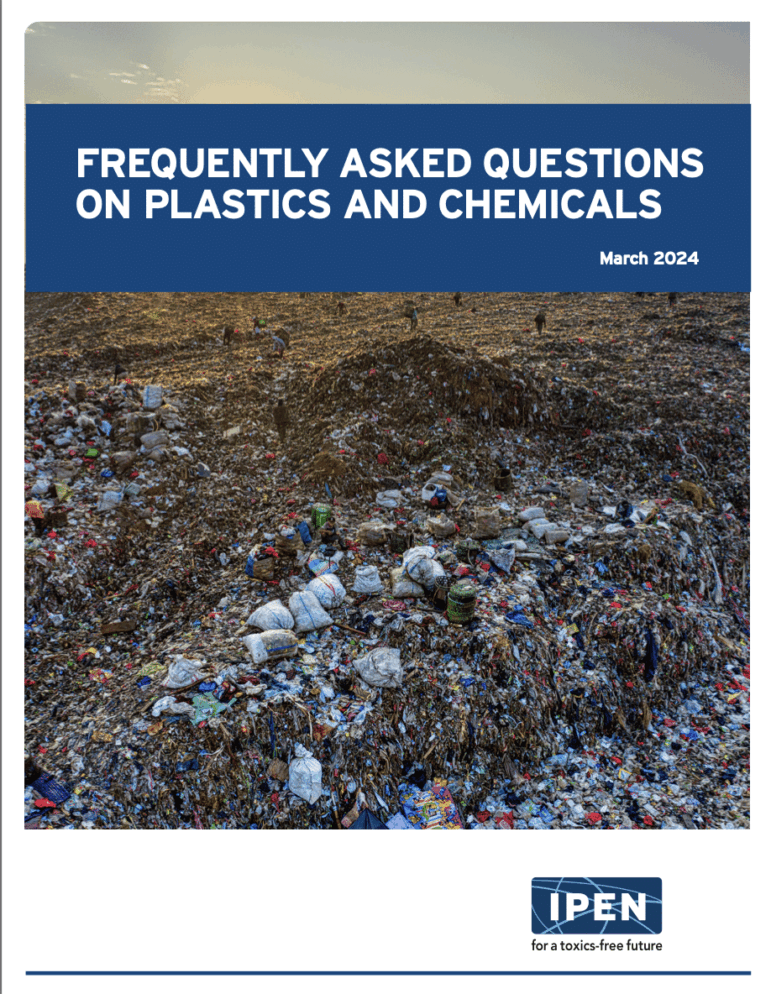
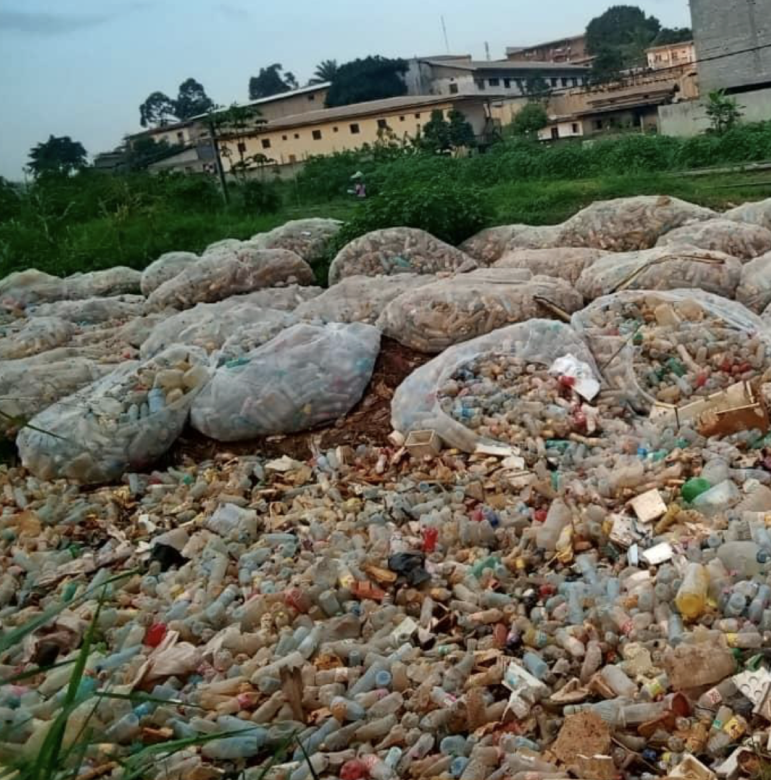
The packaging, textiles, consumer products, transport, construction, and electronics sectors dominate the generation of plastic wastes. Though they only account for 16 percent of the world’s population, high-income countries generate about 34 percent of the world’s waste, including a large portion of plastic waste. Wealthy countries often export plastic waste to low- and middle-income countries – a situation that is likely to worsen without global controls as plastics production increases: estimates suggest we will produce 26 billion tonnes of plastic waste by 2050.
A Plastics Treaty should address the unequal trade in plastic wastes and the harms resulting from this trade to low- and middle-income countries by promoting an end to the export of plastic wastes and supporting environmental justice and human rights.
Learn more about IPEN’s work to address plastic waste, expose toxic recycling, and end the plastic waste trade. And learn more about how waste incineration drives the triple planetary crisis.
Transparency, Sustainability, and Financing
To ensure countries have information they need to manage plastics and plastic waste, a Plastics Treaty should require reporting and transparency on the types and amounts of plastics produced, imported, and exported, and on plastic waste generation, collection, and end-of-life management. Transparency on the chemicals used in plastics production and as plastic ingredients should be publicly available and communicated throughout the supply chain.
A Plastics Treaty should also promote designing plastics according to sustainability criteria that are compatible with a non-toxic circular economy, resource efficiency, and a low carbon economy. A scientific body should be established to review the sustainability criteria and add or remove chemicals and polymers of concern to ensure the Treaty is updated with current scientific knowledge.
There must be sustainable and adequate funding for development and implementation of the Treaty. The “polluter pays” principle requires that the industries that benefit from plastics bear the costs of all impacts on human health, society, and the environment caused by the production, use, dumping, import and export of plastics. Funding is also vital for providing resources for capacity building and technology transfer to low- and middle-income governments and civil society.
Global Policy Connections
The Plastics Treaty is needed to regulate areas in the life cycle of plastics that are not covered by other international bodies and that are critical to prevent the harmful health and environmental impacts of toxic plastics..
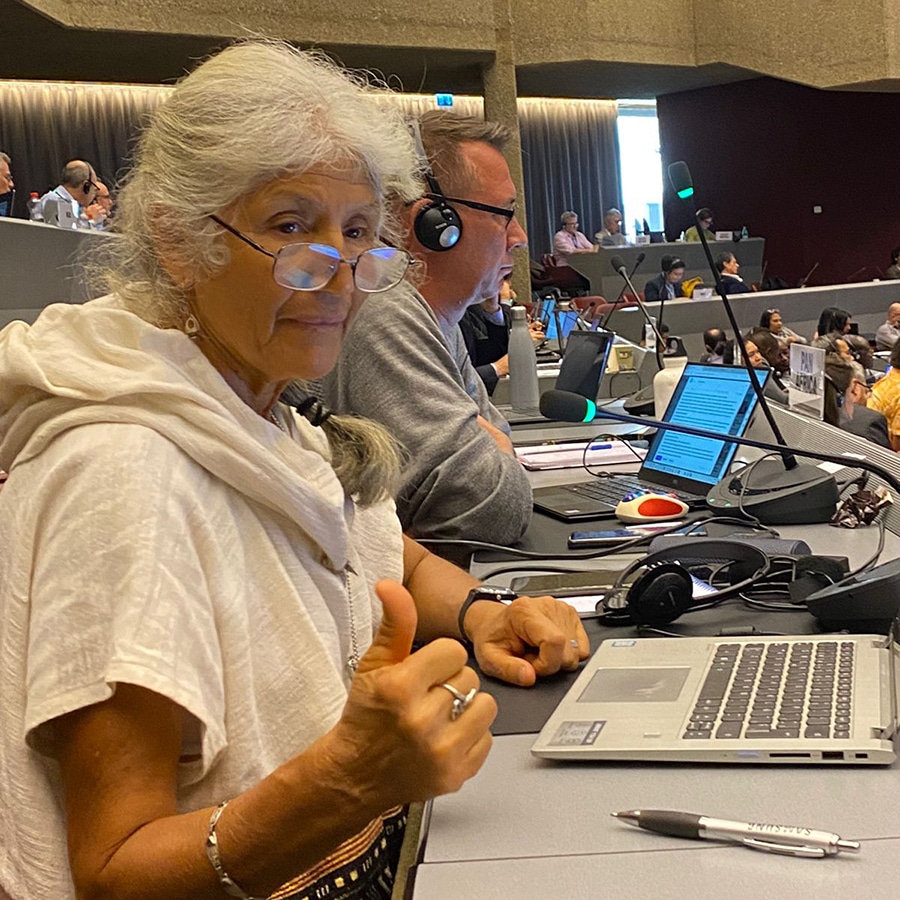
A Plastics Treaty that aims to eliminate negative impacts of plastics throughout their life cycle would also help achieve the environmental and health objectives of other global agreements. IPEN has contributed to all the major global policy agreements noted here, in most cases from their inception.
The major international agreements related to the Plastics Treaty include:
The Stockholm Convention
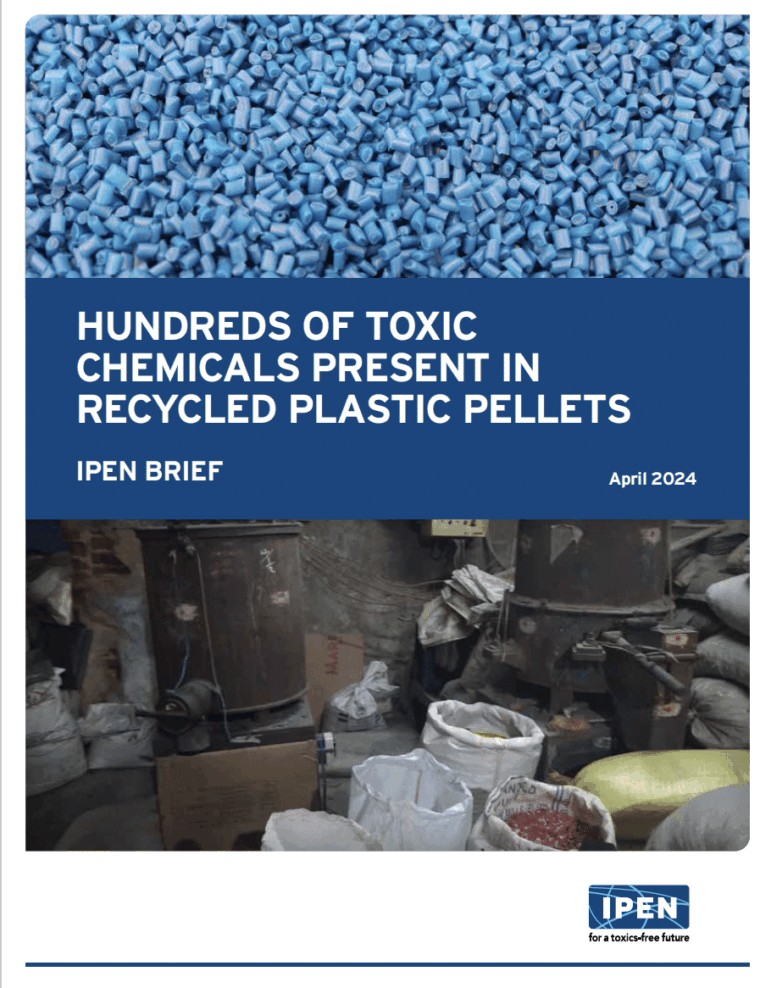
A global treaty to protect human health and the environment from the effects of persistent organic pollutants (POPs). While POPs in plastics may be covered by the Stockholm Convention, thousands of toxic chemicals in plastics are not considered POPs and need to be regulated in other agreements, such as a Plastics Treaty.
The Basel Convention
Aims to protect human health and the environment from the adverse effects of hazardous and other wastes. However, it does not cover the design of plastics (or other materials) to prevent toxic waste production. Additionally, its scope does not include all plastics and it does not cover chemicals of concern used in plastics.
The Rotterdam Convention
Aims to protect human health and the environment by requiring open information about trade in toxic chemicals and consent from importing countries before the chemicals can be exported. Some of the chemicals identified under the Convention and many banned or severely restricted chemicals are used in plastics.
The Global Framework on Chemicals
A voluntary policy framework to promote chemical safety around the world. Many of the priority issues within the GFC process are relevant to plastics, such as chemicals in products, chemicals in electronics, and endocrine disrupting chemicals.


 English
  简体中文
简体中文  Français
  Bahasa Indonesia
  Русский
  Español
  العربية
  Shqip
Shqip  Հայերեն
  Azərbaycan dili
  Беларуская мова
  Български
  Cantonese
  Hrvatski
  Čeština
  ქართული
  Deutsch
  Ελληνικά
  हिन्दी
  Қазақ тілі
  한국어
한국어  Кыргызча
  Bahasa Melayu
  नेपाली
  Português do Brasil
  Kiswahili
  Svenska
  Tagalog
  தமிழ்
தமிழ்  ไทย
ไทย  Українська
  Tiếng Việt