


As global Plastics Treaty negotiations resume in Paris, scientific evidence overwhelmingly points to an urgent need to reduce plastic production and use to meet social justice, health and environmental imperatives
Tuesday, 23 May 2023
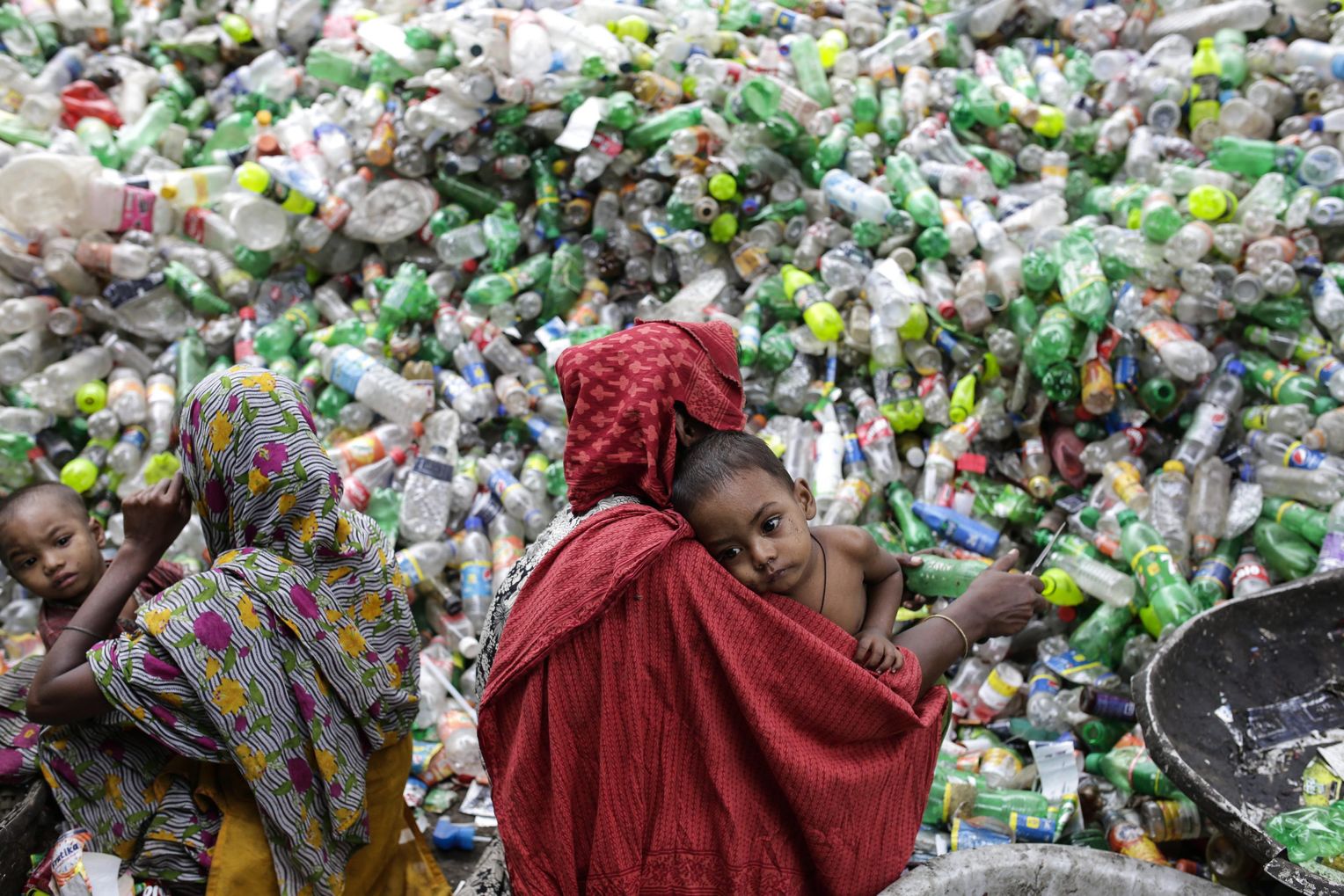
WASHINGTON (May 24, 2023)—A new report from Greenpeace USA provides a catalog of peer-reviewed research and international studies concluding that recycling actually increases the toxicity of plastics. It highlights the threat that recycled plastics pose to the health of consumers, frontline communities, and workers in the recycling sector.
Many chemicals released throughout the plastics life cycle are hazardous and have been shown to pose threats to human health and the environment, and most of these chemicals are not regulated internationally. The IPEN briefing Troubling Toxics discusses approaches in the Plastics Treaty to establish criteria for a negative list of toxic chemicals associated with the production, use, and disposal of plastics.
The member states and groups of member states that submitted their views on the elements of the Plastics Treaty have in a large majority (about 74% of the submissions) expressed that the Plastics Treaty should protect human health, and over half of submissions (64%) call for some form of control measure on chemicals in plastics.
Technical review calls for protecting health and the environment from toxic chemical exposures throughout the plastic life cycle
Wednesday, 10 May 2023
Geneva - A report released this week from the United Nations Environment Programme (UNEP) and the Secretariat of the Basel, Rotterdam and Stockholm Conventions notes that chemicals released throughout the life cycle of plastics pose serious health and environmental threats and should be the focus of global regulations.
As BRS COPs launch a “PCB Fair,” a new study shows that free-range eggs and recycled plastic products from Kenya contain high levels of dioxin-like PCBs and other toxic chemicals, exceeding EU standards
This study from the Kenyan public interest group Centre for Environment Justice and Development (CEJAD), IPEN, and Arnika shows that extremely high levels of persistent organic pollutants (POPs), including dioxin-like PCBs, likely produced from burning and disposal of plastic and electronic wastes, are contaminating the food supply in Kenya. Alarmingly, today’s study found the highest level of contamination by dioxin-like PCBs ever measured in free-range chicken eggs globally.
This report from Ecological Alert and Recovery - Thailand (EARTH), Arnika, and IPEN shows that recycling workers in Thailand have high levels of the toxic plastic chemical Dechlorane Plus in their bodies and in their food and surroundings.