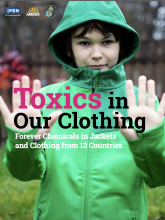
For this study, jackets and other clothing sold as water- or stain-resistant were purchased from 13 countries in Asia, Africa, Europe and North America. Most of the jackets tested were marketed for children. Countries included were Germany, Czech Republic, Netherlands, Poland, United Kingdom, Serbia, Montenegro, Kenya, Bangladesh, India, Sri Lanka, Thailand, and the U.S.
Study on human cells shows young children playing with toys made from recycled plastic could be exposed to toxic chemicals, above EU safety levels for similar substances
Thursday, 16 November 2023
Scientists and civil society experts say published findings should influence design of new global Plastics Treaty
Over the past few decades, the massive production of plastics worldwide has posed a real threat to the existence and well-being of all living creatures. This virtually uncontrollable rise in the use of plastics is a matter of serious concern to health professionals, environmentalists and biodiversity advocates. In Cameroon, the issue is just as pressing, and requires special attention from all stakeholders.
Geneva, Switzerland – IPEN advocates from around the world at the Fifth Conference of the Parties (COP5) of the Minamata Convention on Mercury note that the outcomes this week have been a mix of disappointing decisions with positive progress on some issues. Among the items where the COP5 fell short was in adopting a weak standard for mercury in waste and allowing blanket exemptions even for this weak standard that could result in undeclared shipments of toxic mercury-tainted waste being exported from wealthy regions to low- and middle-income countries.
Groups Say: To Protect Indigenous Rights, End the Mercury Trade, Ban Mercury in Mining
Thursday, 02 November 2023
Geneva, Switzerland-At the Minamata Convention negotiations Tuesday delegates approved a resolution calling for support to the participation of Indigenous Peoples in the fight to end mercury pollution.
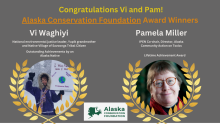
The Alaska Conservation Foundation has recognized Pamela Miller, IPEN’s global co-chair, with its 2023 Lifetime Achievement Award. Pam founded Alaska Community Action on Toxics (ACAT) in 1997 and serves as Executive Director, working passionately for environmental and reproductive justice, health, and human rights.
My name is Ghislaine TCHOKOUATOU, and I hold a Brevet de Technicien Supérieur in Accounting and Business Management. In 2013, I became interested in environmental causes and began working with the Cameroonian non-governmental organization Jeunes Volontaires pour l'Environnement (JVE). For several years, they have been carrying out awareness-raising, education and advocacy campaigns to limit the aggravating actions of climate dysfunction in Cameroon and beyond.